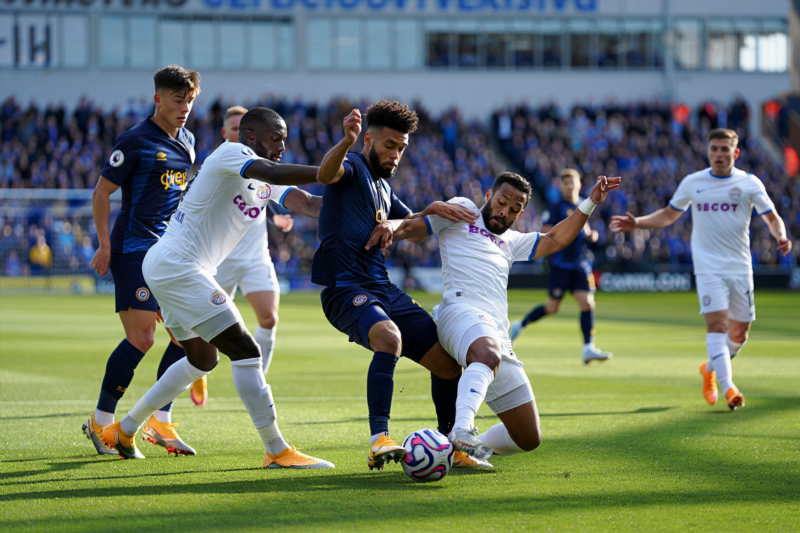
In the fiercely competitive world of football, especially during tight matches where every play counts, strategic tactics can be the difference between victory and defeat. Understanding why counterpressing and controlling the “second ball” are vital tools can give teams a decisive edge. At *Canada Football Desk*, we delve into how these tactics amplify your team’s chances of winning close games by disrupting opponents’ rhythm and seizing crucial opportunities.
The Power of Counterpressing in Tight Matches
What Is Counterpressing?
Counterpressing — often called *gegenpressing* — involves immediately pressuring the opponent after losing possession, aiming to regain the ball quickly. Instead of retreating or resetting, this aggressive approach strives to thwart the opponent’s counterattack at its inception.
Why It Works in Close Games
- Disrupts Opponent’s Transition: Opponents rely on quick counterattacks in tight situations. Counterpressing halts these advances, maintaining your team’s defensive shape.
- Creates Turnover Opportunities: High-intensity pressure often forces mistakes, leading to turnovers in dangerous areas.
- Maintains Momentum: Keeping the game in your control prevents opponents from settling into a comfortable rhythm.
Key Benefits
- Reduces the risk of conceding soft goals.
- Keeps your team energized and tactically alert.
- Enhances overall game control, especially in one-goal margins.
Controlling the Second Ball for Match Dominance
What Is the Second Ball?
The second ball refers to the ball after an initial contested play—such as a rebound, a clearance, or a deflected pass. Possessing and controlling these loose balls often dictate the flow of close matches.
Significance in Tight Football Games
- Seizes Transitional Moments: Dominating second-ball situations allows your team to launch swift attacks or regain possession.
- Dictates Game Tempo: Winning second balls ensures your team remains proactive rather than reactive.
- Prevents Opponent Counterattacks: Clearing the initial challenge effectively limits the opponent’s scoring chances.
Tactical Implementation
- Positioning: Players should anticipate and be positioned to win second balls immediately after set pieces, turnovers, or aerial duels.
- Aggression in Duels: Prioritize winning physical battles for second balls, especially in midfield and attacking zones.
- Quick Transitions: Utilize second-ball recovery to swiftly transition to attack, catching opponents off-guard.
Combining Counterpressing and Second Ball Control
Synergistic Effects
When used in tandem, counterpressing and second-ball control serve as potent strategies:
| Strategy | Effect | Result |
| Immediate pressure post-loss | Disrupts opponent’s ability to reset | Increased turnovers in dangerous areas |
| Anticipatory positioning | Secures second balls quickly | Faster counterattacks or sustained attack possession |
| Collective high press | Maintains offensive pressure, limits opponent options | Keeps opponents on the back foot |
Practical Examples
- A team presses high after losing possession, forcing the opponent to clear, then aggressively chases the rebound for second-ball control.
- Midfielders defend compactly to win aerial duels, then swiftly transition to attack, exploiting the disorganized opponent defense.
Effective Tactics for Tight Football Matches
Key Components
- Intense High Press: Engage in coordinated pressing to recover the ball quickly.
- Aggressive Second Ball Pursuit: Focus on physical duels to win second chances.
- Compact Defensive Shape: Minimize gaps, making it harder for opponents to find space.
- Quick Transitions: Launch rapid counterattacks upon regaining possession.
- Player Positioning & Awareness: Anticipate second-ball scenarios and be ready to act decisively.
Tips for Coaches and Players
- Train pressing intensively in practice sessions.
- Foster situational awareness around second-ball opportunities.
- Encourage communication to maintain coordinated pressure.
- Emphasize resilience and physicality during duels.
FAQs About Counterpressure and Second-Ball Tactics
How does counterpressing differ from traditional pressing?
*Counterpressing* is immediate, aggressive pressure after losing possession, aiming to regain the ball quickly. Traditional pressing may be less urgent and more positional, focusing on aggressive marking without necessarily transitioning into immediate high-intensity pressure.
Why focus on the second ball in close matches?
Controlling second balls can unlock scoring chances and help maintain momentum, especially when the game is tied or in a narrow margin. It often determines possession battles and transition phases critical to victory.
Can these tactics be effective against all opponent types?
While highly effective against teams that rely on quick transitions or aerial duels, their success depends on players’ physical readiness, tactical discipline, and collective coordination.
In the world of *Canada Football Desk*, understanding why counterpressure and second-ball control win tight matches offers teams a strategic advantage. These tactics minimize opponent opportunities and maximize your team’s attacking potential, especially under pressure. By integrating disciplined pressing, anticipatory positioning, and fast transitions, coaches and players can turn close games into decisive victories.
Start implementing these strategies today—because in football, the small battles often decide the final score.
*Discover more expert insights and tactical analyses at Canada Football Desk, your premier portal for football news, analytics, and winning strategies in Canada and worldwide.*