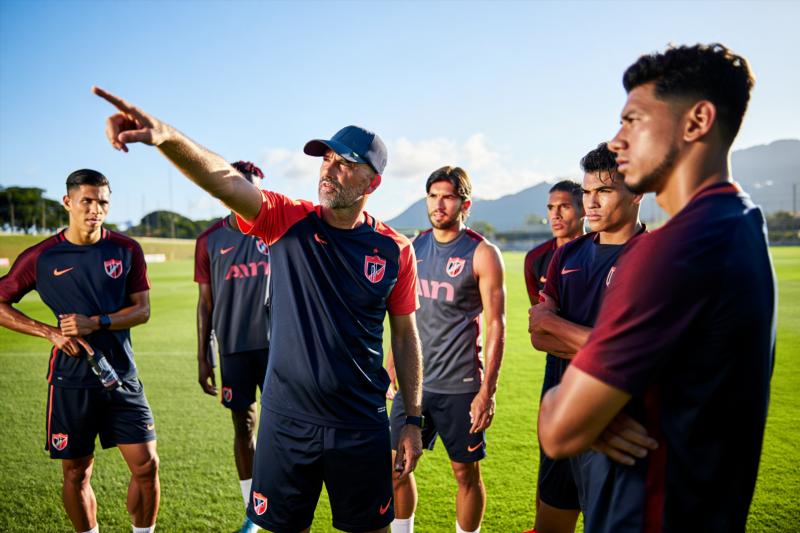
In competitive football, particularly within the CONCACAF region, the slightest advantage can determine the outcome of a match. Teams traveling across different countries face unique challenges—ranging from long-distance journeys to diverse climate conditions—that can significantly impact player performance and overall results. Effective match preparation isn’t limited to tactical drills and fitness; it also involves strategic management of travel logistics and weather adaptation.
Canada Football Desk recognizes the importance of these factors, offering comprehensive insights into how teams can optimize their travel and climate strategies to enhance outcomes in CONCACAF tournaments.
The Science Behind Travel and Climate Impact on Football Performance
Travel Fatigue and Its Effects
- Physical Exhaustion: Long flights, layovers, and crossing multiple time zones lead to fatigue, reducing physical readiness.
- Disrupted Sleep Patterns: Jet lag interferes with sleep quality, impairing coordination, focus, and decision-making.
- Psychological Stress: Travel stress can impact mental focus, affecting player concentration during critical game moments.
Climate and Weather Conditions
- Heat and Humidity: High temperatures and humidity levels can cause dehydration, fatigue, and decrease endurance.
- Rain and Moisture: Wet conditions influence ball control and increase injury risk.
- Altitude and Air Density: Higher altitudes may reduce oxygen availability, affecting stamina and recovery.
Strategic Travel Planning: Key Elements for Success
Timely Scheduling and Preparation
- Optimal Arrival Times: Arriving at least 48-72 hours before matches provides adequate acclimatization.
- Pre-Travel Checklists: Ensuring players are well-hydrated, rested, and briefed on climate conditions before departure.
Choosing the Right Travel Modes
- Direct Flights: Minimize travel fatigue and reduce delays.
- Comfortable Transport: Use of climate-controlled buses and aircraft to maintain a stable environment.
In-Country Logistics
- Accommodation Near Training Facilities: Reduces transit time and stress.
- Maintaining Routine: Consistent meal and sleep schedules to mimic home conditions enhances stability.
Climate Adaptation Strategies for Match Day Success
Pre-Match Acclimatization
- Training Sessions in Similar Conditions: Practice in heat, humidity, or altitude similar to match location.
- Gradual Exposure: Short, targeted exposure to the climate conditions to build tolerance.
Hydration and Nutrition
- Enhanced Hydration Regimes: Regular fluid intake before, during, and after matches.
- Electrolyte Balance: Use of supplements to prevent cramping and dehydration.
Tactical Adjustments
- Adjusting Game Intensity: Modulate exertion based on weather conditions.
- Modified Game Plans: Incorporate strategies that favor endurance over intensity in adverse weather.
Role of Sports Science and Analytics in CONCACAF Match Prep
Modern teams leverage player analytics and weather forecasting to tailor their approach:
- Weather Data Utilization: Real-time insights guide hydration, nutrition, and tactical decisions.
- Player Monitoring: Wearables track fatigue and hydration status, enabling timely interventions.
- Travel and Climate Simulations: Virtual training and scenario planning improve adaptability.
Final Thoughts: Optimizing Outcomes Through Strategic Management
In the fiercely competitive world of CONCACAF football, integrating comprehensive travel and weather management strategies is essential. By proactively addressing the unique challenges posed by travel fatigue and diverse climates, teams can:
- Enhance player readiness
- Reduce injury risk
- Improve tactical execution
- Achieve better match outcomes
Remember: Success on the field begins long before the kickoff. Thoughtful travel planning and climate adaptation are game-changers—turning potential challenges into competitive advantages.
Ready to elevate your team’s CONCACAF performance? Harness the power of strategic travel and weather management today, and watch results improve across the league and international stages.
Frequently Asked Questions
How far in advance should teams arrive before a CONCACAF match?
Teams should aim to arrive at least 48 to 72 hours before kickoff to allow sufficient acclimatization and recovery.
What are the best practices for managing climate-related fatigue?
Prioritize hydration, proper nutrition, and gradual exposure to climate conditions—supported by sports science and analytics.
Can technology help improve climate adaptation?
Absolutely. Weather forecasting tools, wearable monitoring devices, and simulation training all play vital roles in preparing teams for varying conditions.
Why is travel logistics crucial for match success?
Efficient travel logistics reduce fatigue and stress, providing players with more energy and focus to perform at their best.
Take Action Today
Incorporate specialized travel and climate strategies into your team’s preparation protocol. Partner with experts, utilize real-time data, and prioritize player well-being to maximize success in CONCACAF competitions.
Your team’s victory starts with smart preparation.